

Uterine fibroids are non-cancerous growths that develop in the uterus. They are also called leiomyomas. These growths are very common during the childbearing years. Many women may develop at least one fibroid before the age of 50. Fibroids can grow alone or in clusters. Their size and location decide whether they cause symptoms. Some women do not notice them at all. Others may experience discomfort. Common symptoms include heavy periods, pelvic pain, and frequent urination.
Most fibroids are small and harmless. However, larger fibroids can create pressure on nearby organs like the bladder or bowel. Doctors usually consider fibroids around 10 cm or more as more serious. Still, size is not the only factor. Symptoms, growth rate, and fertility concerns also matter. Early diagnosis helps prevent complications. Regular checkups and imaging tests guide proper treatment.
Are Uterine Fibroids Dangerous?
Uterine fibroids are non-cancerous growths that develop in or around the uterus and are common during reproductive years. Most fibroids are harmless and may not cause any noticeable symptoms. Many women live with small fibroids without needing treatment.
However, fibroids can become problematic if they grow large or are located in sensitive areas. They may cause heavy bleeding, pelvic pain, pressure on nearby organs, or fertility issues. The level of danger depends on symptoms rather than the presence of fibroids alone.
Related Post: Early Pregnancy Egg White Discharge
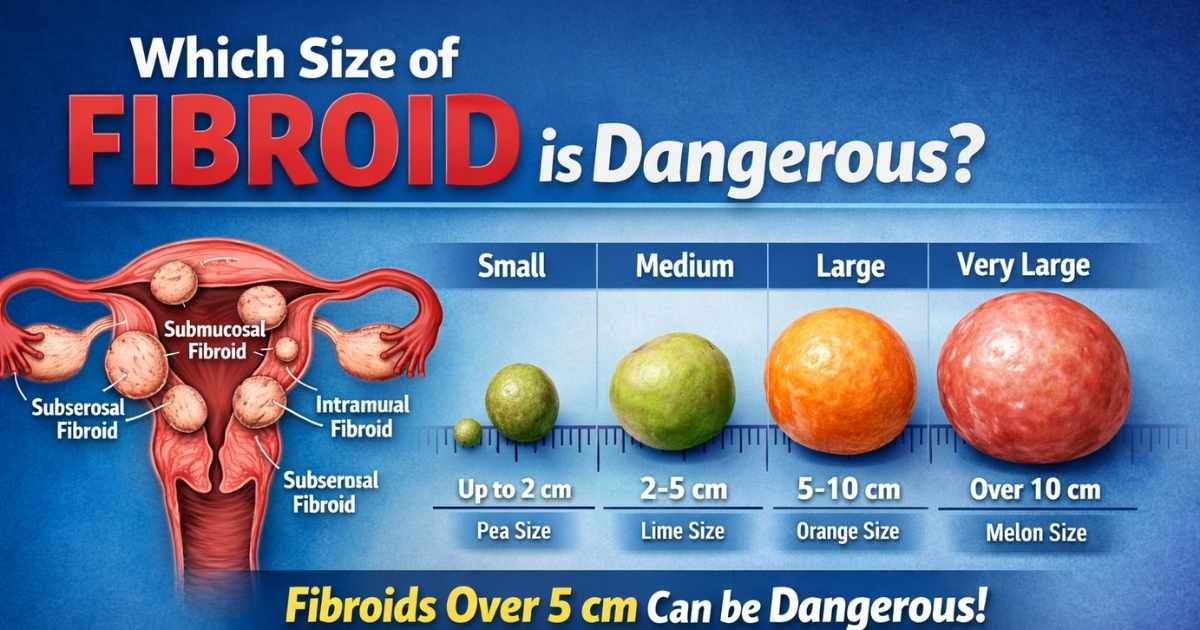
Which Size of Fibroid Is Dangerous?
Fibroids measuring about 10 cm or more are generally considered more dangerous because they can lead to severe symptoms. Large fibroids may press on the bladder, bowel, or other pelvic organs, causing discomfort and complications. Doctors often monitor such fibroids closely.
Smaller fibroids can also be risky if they grow rapidly or cause heavy bleeding and pain. Therefore, size alone does not determine danger; symptoms and location are equally important. Medical evaluation helps decide the appropriate treatment.
Different Sizes of Uterine Fibroids
Fibroids are usually classified as small, medium, or large based on their diameter. Small fibroids range from 1 to 5 cm and often cause little to no symptoms. Medium fibroids measure about 5 to 10 cm and may lead to moderate discomfort.
Large fibroids exceed 10 cm and are more likely to cause severe pain, pressure, and abdominal swelling. As size increases, the chances of complications also increase. Treatment decisions depend on both size and symptoms.
How Are Fibroids Measured?
Fibroids are typically measured using ultrasound imaging, which helps determine their size and location. This method is painless and commonly used for diagnosis and monitoring. Doctors may repeat scans to track growth over time.
In some cases, MRI scans are recommended for more detailed images. Accurate measurement is important for choosing the right treatment plan. It also helps assess whether the fibroid is affecting nearby organs.
Weight of the Uterine Fibroid
Small fibroids usually weigh only a few grams and do not significantly affect body weight. As fibroids grow larger, their weight can increase and may cause abdominal enlargement. Extremely large fibroids can weigh several kilograms in rare cases.
This increase in size may create the appearance of weight gain or a swollen abdomen. The added mass is due to the fibroid itself rather than body fat. Medical evaluation is needed if rapid enlargement occurs.
Does Fibroid Size Really Matter?
Yes, fibroid size plays an important role in determining symptoms and treatment options. Larger fibroids are more likely to cause heavy bleeding, pain, and pressure effects. They may also interfere with fertility or pregnancy.
However, even small fibroids can be problematic depending on their location. Rapid growth is another concern regardless of size. Doctors consider all these factors before recommending treatment.
What Size Uterine Fibroids Should Be Removed?
Fibroids larger than 5 to 10 cm that cause symptoms are often considered for removal. Surgery may be recommended if there is severe pain, heavy bleeding, or infertility. Rapidly growing fibroids may also require intervention.
Smaller fibroids may not need removal unless they cause complications. Treatment decisions depend on age, health, and future pregnancy plans. A specialist can guide the best option for each case.
What to Expect After a Fibroid Surgery?
Recovery after fibroid surgery varies depending on the procedure performed. Many women experience relief from symptoms such as pain and heavy bleeding. Minimally invasive techniques often allow faster recovery.
Patients may need follow-up visits to monitor healing and prevent recurrence. Lifestyle adjustments and medications may also be advised. Most women can return to normal activities within a few weeks.
Summary
Uterine fibroids are common and usually not dangerous, especially when small. Risk increases when fibroids grow large or cause significant symptoms. Early diagnosis helps prevent complications.
If symptoms such as heavy bleeding or severe pain occur, medical consultation is important. Treatment options are available and effective for most women. Proper care can greatly improve quality of life.
Conclusion
Uterine fibroids are common and usually not dangerous because they are non-cancerous. Small fibroids often cause no symptoms and may not need treatment. Problems usually appear when fibroids grow larger or press on nearby organs. Women may experience heavy bleeding, pelvic pain, frequent urination, or anemia. The size, location, and speed of growth all help doctors decide the level of risk. Regular checkups help monitor changes early.
Treatment depends on symptoms, age, and pregnancy plans. Some fibroids only need observation, while others may require medicine or surgery. Fibroids larger than about 10 cm are more likely to need treatment. Early diagnosis can prevent complications and improve quality of life. Consulting a doctor is important if symptoms become severe or interfere with daily activities.