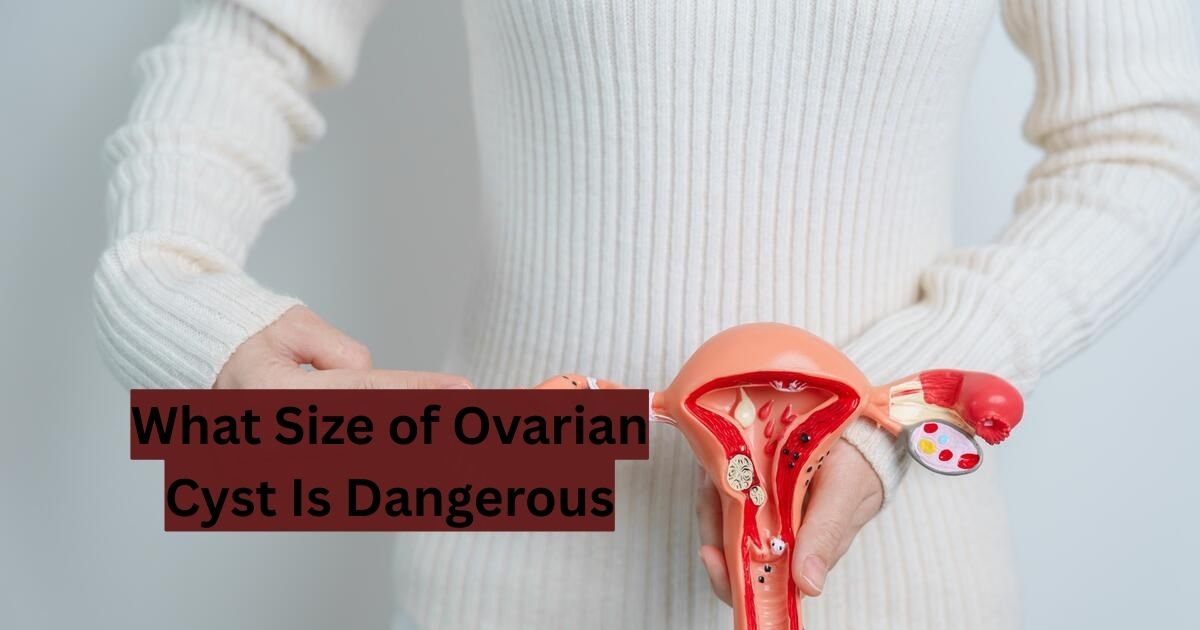
Ovarian cysts are fluid-filled sacs that form on or inside the ovaries. Many women discover them during an ultrasound for ovarian cyst evaluation or routine pelvic exam. While most are harmless, especially during reproductive years, some can cause discomfort or complications. Understanding what size of ovarian cyst is dangerous helps you know when to monitor and when to seek medical care. Size isn’t the only factor — type, symptoms, and growth rate also matter. Think of it like a balloon: small ones are usually safe, but larger ones can press on organs or rupture.
Regular monitoring and check-ups can prevent unexpected complications. Even a benign ovarian cyst may need attention if it grows rapidly or causes symptoms. Being informed helps you feel in control of your health and reduces unnecessary worry.
Related post: Pregnancy Urine Color Chart
Understanding the Size of Ovarian Cysts
Doctors often use an ovarian cyst size chart to decide whether monitoring or treatment is needed. Small cysts are common and usually part of normal ovulation. Many women never even notice them, especially functional ovarian cysts that resolve within weeks. However, as cysts grow, risks increase, including pain, pressure, and potential complications such as torsion or rupture. Regular ovarian cyst monitoring is key to detecting changes early and preventing emergencies.
Even medium-sized cysts can start causing discomfort or mild pelvic pain. You may wonder how big ovarian cysts can get; while most remain small, some grow beyond 10 cm. Growth rate, location, and cyst type determine the risk level. Understanding these factors allows your doctor to recommend appropriate treatment or observation.
What size of ovarian cyst is dangerous?
Most specialists consider cysts under 5 cm generally safe in premenopausal women. Risks increase with cysts above 6–7 cm, particularly if symptoms appear. Doctors also evaluate cyst appearance on ultrasound, whether it is simple or complex, and how fast it’s growing.
So, what size of ovarian cyst is dangerous depends on context. A simple 5 cm cyst may just be monitored, while a complex cyst of the same size might require treatment. Personalized medical advice is always essential.
Small cysts (under 40 mm)
Small cysts are usually benign ovarian cysts related to ovulation. Many women never notice them because they cause no symptoms. Most of these cysts resolve naturally, answering the common question: can an ovarian cyst go away on its own?
Doctors recommend watchful waiting with periodic scans. This ensures the cyst isn’t growing or causing complications. Treatment is rarely needed unless pain or unusual symptoms develop.
Medium cysts (40–60 mm)
Medium cysts may lead to mild discomfort or pelvic pain. At this stage, doctors monitor more closely, especially if symptoms like bloating, pressure, or irregular periods appear. Some women may notice pain during intercourse or exercise due to the cyst pressing on surrounding organs.
While often benign, medium cysts require careful follow-up. Regular check-ups allow early detection of any changes, preventing more serious complications like rupture or torsion.
Large cysts (over 60 mm)
Large cysts increase the risk of ovarian torsion or rupture. Pain from ovarian cyst size becomes more noticeable and persistent. Many patients ask: what size ovarian cyst needs surgery? Cysts over 7–10 cm or those causing severe symptoms often require removal.
Treatment for large ovarian cysts depends on age, fertility plans, and cyst type. Surgery or medication is selected based on your health profile, cyst characteristics, and risk factors.
Giant cysts (over 100 mm)
Giant cysts can press on the bladder, intestines, or diaphragm, causing difficulty urinating, constipation, or even breathing problems. Immediate medical attention is usually necessary to prevent complications.
These cysts are rare but can significantly impact daily life. Proper evaluation helps rule out ovarian cyst cancer risk and ensures safe treatment planning.
Complications of Ovarian Cysts
Most cysts remain harmless, but larger cysts can lead to serious problems. Ovarian cyst complications increase with size and complexity. Sudden severe pain can indicate rupture or torsion, both of which need urgent care.
Recognizing early warning signs helps prevent emergencies. Pain, bloating, nausea, or unusual bleeding should never be ignored. Prompt evaluation reduces risks and improves treatment outcomes.
Risk of Rupture
A ruptured ovarian cyst can cause sharp abdominal pain, dizziness, or internal bleeding. Some ruptures heal on their own, but larger ones often require immediate treatment.
Women with sudden, severe pelvic pain should seek medical attention promptly. Early intervention prevents further complications such as infection or prolonged bleeding.
Ovarian Torsion
Ovarian torsion happens when a cyst causes the ovary to twist, cutting off blood supply. Symptoms include intense pelvic pain, nausea, and vomiting.
This condition is a surgical emergency. Quick treatment can save the ovary and prevent long-term damage.
Pressure on Other Organs
Large cysts can press against the bladder or intestines, leading to frequent urination or constipation. Some women describe it as a heavy, uncomfortable feeling in the lower abdomen.
Removing the cyst usually relieves these symptoms. Pressure on other organs indicates significant cyst growth that requires evaluation.
Malignancy
Most cysts are noncancerous, but complex or postmenopausal cysts need careful assessment. Imaging helps doctors distinguish between simple and suspicious cysts.
While rare, ovarian cyst cancer risk exists. Early detection ensures better outcomes and informs treatment decisions.
Types of Ovarian Cysts
Cysts are classified into functional and pathological types. Each behaves differently and carries unique risks. Knowing the type helps guide treatment choices.
Functional ovarian cysts often resolve on their own, while pathological cysts may need intervention. Understanding these distinctions helps women feel more informed and empowered about their health.
Functional Cysts
Functional cysts develop during the menstrual cycle and include follicular cysts and corpus luteum cysts. These usually disappear within a few weeks and rarely cause problems.
Follicular cyst treatment is generally unnecessary unless symptoms appear. Regular monitoring ensures they resolve naturally without complications.
Sub-types of Functional Cysts:
Follicular cysts form when the follicle doesn’t release an egg. Corpus luteum cysts develop after ovulation when the follicle fills with fluid. Both are typically harmless.
Pathological Cysts
Pathological cysts are less common, not related to ovulation, and sometimes require treatment. They may grow slowly and cause symptoms over time.
Types of Pathological Cysts:
These include dermoid cyst ovary, endometrioma cyst, and cystadenoma ovary. Pathological cysts can be large, so medical evaluation is important.
Symptoms of a Dangerous Ovarian Cyst
Most cysts are symptom-free. Dangerous ovarian cyst symptoms appear when the cyst grows or presses on organs. Common signs include persistent pelvic pain, bloating, or painful intercourse.
Other symptoms may include irregular periods, sudden sharp pain, or nausea. Knowing these signs helps you seek timely medical care before complications arise.
Causes of an Ovarian Cyst
Hormonal imbalances are the most common cause. Conditions like endometriosis, polycystic ovary syndrome, or fertility treatments can also increase cyst formation.
Previous cysts, pelvic inflammatory disease, or pregnancy-related changes may contribute. Understanding what causes ovarian cysts to grow helps your doctor choose the best treatment approach.
Treatment Options for Ovarian Cysts
Treatment depends on cyst size, symptoms, and type. Some cysts only require monitoring, while others need medication or surgery. Treatment for large ovarian cysts is personalized based on your health and fertility goals.
Doctors may prescribe pain management, hormonal therapy, or surgery. Cyst on ovary treatment aims to relieve symptoms and prevent complications.
Watchful Waiting
Small, symptom-free cysts often resolve naturally. Regular follow-up scans ensure the cyst isn’t growing or causing problems.
This approach avoids unnecessary procedures and reassures patients that their cyst is monitored safely.
Medications
Hormonal birth control may prevent new cysts. Pain relievers help manage discomfort. Medication doesn’t remove cysts but can control symptoms effectively.
Surgery
Surgery may be required for large, persistent, or complex cysts. Options include cyst removal laparoscopy or open surgery for very large cysts.
Recovery after ovarian cyst surgery varies. Minimally invasive procedures allow faster recovery and fewer complications.
Conclusion
Most ovarian cysts are harmless and temporary, especially small functional cysts. However, size, symptoms, and cyst type determine risk. Understanding what size of ovarian cyst is dangerous empowers you to make informed health decisions.
If you experience sudden pain, rapid growth, or unusual symptoms, seek medical evaluation. Early detection prevents complications and ensures the best possible outcomes.

Daniel Morgan is a health writer and wellness researcher dedicated to making evidence-based health information simple, practical, and actionable. With over six in health education and research, he specializes in translating complex medical topics into clear guidance readers can trust.