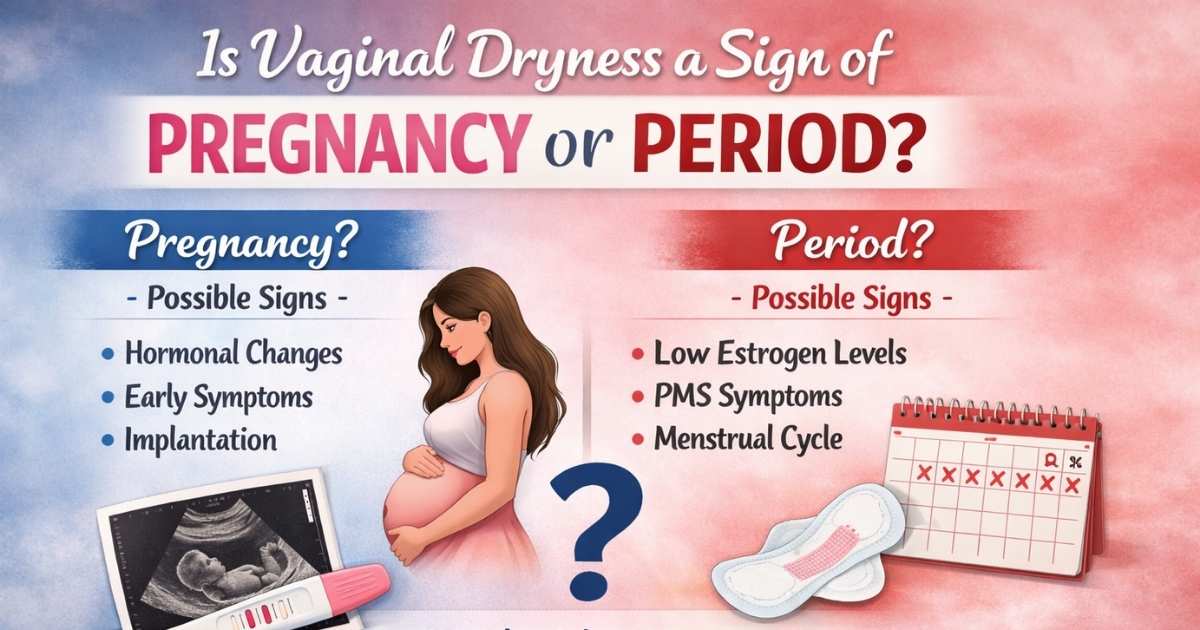
Vaginal dryness can feel confusing, especially when your body sends mixed signals. Many women suddenly notice a lack of moisture and start wondering what it means. Naturally, the question arises: is vaginal dryness a sign of pregnancy or period? The answer isn’t always straightforward because both situations involve major hormonal shifts.
Your body constantly adjusts hormone levels throughout the menstrual cycle and early pregnancy. These changes influence many things, including vaginal lubrication. While dryness sometimes appears before a period, it may also happen during early pregnancy for some women. Understanding how hormones affect vaginal health can help you interpret these changes more confidently.
Related Post: Does Stress and Anxiety Cause Itching? All you need to know!
What Is Vaginal Dryness?
Vaginal dryness occurs when the vagina doesn’t produce enough natural lubrication. Normally, glands in the vaginal walls create moisture that keeps tissues comfortable and flexible. However, several vaginal dryness causes can interfere with this process and lead to irritation or discomfort.
Many women associate dryness only with menopause, but it can happen at any stage of life. Hormonal changes in women, stress, medications, and dehydration can all play a role. When moisture levels drop, you might notice itching, burning, or vaginal lubrication problems, particularly during intimacy. These symptoms are part of common vaginal health issues affecting overall female reproductive health.
Can Vaginal Dryness Indicate Pregnancy?
Pregnancy triggers dramatic hormone shifts as the body prepares to support a developing baby. Pregnancy hormonal changes increase estrogen and progesterone levels. In many cases, higher estrogen boosts vaginal moisture, but some women experience temporary dryness instead.
For example, during early pregnancy the body adjusts quickly to new hormone levels. This adjustment can affect estrogen levels and vaginal moisture, leading to unexpected dryness. Because many early pregnancy symptoms vary widely from person to person, dryness alone rarely confirms pregnancy. Other first trimester symptoms usually appear alongside it.
Why Might Dryness Happen in Early Pregnancy?
In the first weeks of pregnancy, the body undergoes intense hormonal adjustments. These hormonal causes of vaginal dryness may occur while estrogen levels stabilize. In addition, fatigue, dehydration from morning sickness, and emotional stress can reduce moisture levels. Some women also notice mild irritation because increased blood flow makes tissues more sensitive.
Is Dryness a Sign of Pregnancy?
Many people search online asking whether Is Vaginal Dryness a Sign of Pregnancy or Period because the symptom can appear unexpectedly. While dryness may occur in early pregnancy, doctors generally don’t consider it a reliable pregnancy indicator. More common signs of pregnancy before missed period include nausea, fatigue, breast tenderness, and frequent urination.
In fact, dryness alone rarely provides a clear answer. If you’re unsure, the best approach is to monitor other symptoms and take a pregnancy test. Pregnancy vs period symptoms often overlap in the early stages, which explains why this topic causes so much confusion.
Does Vaginal Dryness Point to Your Period?
For many women, dryness appears shortly before menstruation. During the second half of the cycle, estrogen levels decline if pregnancy doesn’t occur. This drop may cause dryness before menstruation or a feeling of reduced lubrication.
These changes often accompany other premenstrual symptoms. You might notice mood swings, mild cramps, bloating, or breast tenderness. Because these signs happen regularly each month, they help explain does vaginal dryness mean my period is coming for some women.
Why Does Dryness Occur Before or During Your Period?
Hormones control nearly every aspect of the menstrual cycle. After ovulation, progesterone rises while estrogen gradually decreases. These menstrual cycle hormone changes can reduce vaginal lubrication.
Some researchers also link the progesterone effects on vagina to decreased moisture production. When estrogen drops, tissues receive less stimulation to produce natural fluids. As a result, dryness during menstrual cycle phases—especially the luteal phase—can become noticeable.
Is Dryness a Typical Premenstrual Symptom?
Yes, for some women dryness appears as part of PMS symptoms in women. Although cramps and mood changes receive more attention, dryness also belongs on the list of possible signs before period starts.
However, every body responds differently to hormonal shifts. Some women experience increased discharge before menstruation, while others notice dryness instead. If dryness appears at the same time each month, it likely relates to your menstrual cycle.
Pregnancy vs. Period: How Does Vaginal Dryness Compare?
Understanding the difference between pregnancy and PMS symptoms can make things clearer. Both conditions involve hormone fluctuations, but they affect the body differently.
| Symptom | Pregnancy | Period |
| Vaginal dryness | Sometimes occurs | More common before period |
| Nausea | Common | Rare |
| Missed period | Yes | No |
| Cramps | Mild or absent | Often present |
| Breast tenderness | Common | Possible |
While researching what causes dryness during menstrual cycle, doctors often find it appears more frequently before menstruation than during pregnancy.
Other Reasons for Vaginal Dryness
Hormones aren’t the only factor affecting vaginal moisture. Several everyday habits and health conditions can cause sudden dryness.
Common vaginal discomfort causes include:
- Stress and anxiety
- Certain medications such as antihistamines
- Low water intake or dehydration
- Smoking or excessive caffeine
- Hormonal birth control
- Reproductive hormone imbalance
Some women also wonder why does my vagina feel dry suddenly. Often the answer lies in lifestyle factors rather than pregnancy or periods. For instance, can dehydration cause vaginal dryness is a common concern because hydration affects tissues throughout the body.
How to Relieve Vaginal Dryness
If dryness becomes uncomfortable, simple lifestyle changes can help restore moisture. These strategies support natural vaginal lubrication and improve women’s hormonal health.
Helpful options include:
- Drink plenty of water daily
- Use gentle, fragrance-free hygiene products
- Apply water-based lubricants during intimacy
- Try vaginal moisturizers for longer relief
- Reduce stress through exercise or relaxation
Many women also look for home remedies for vaginal dryness or ask how to treat vaginal dryness naturally. Staying hydrated, improving diet, and avoiding irritating products often make a noticeable difference.
When to Seek Medical Advice
Occasional dryness usually isn’t serious. However, persistent symptoms may signal deeper vaginal health issues. If dryness continues for several weeks, causes pain, or appears with unusual discharge, it’s wise to consult a healthcare professional.
You should also seek medical advice if you experience:
- Severe itching or burning
- Pain during intimacy
- Strong odor or unusual discharge
- Irregular menstrual cycles
These signs may indicate infections, hormonal conditions, or other health concerns. If you’re asking when to worry about vaginal dryness, ongoing discomfort is a good reason to get professional guidance.
Summary
Vaginal dryness can appear for many reasons, including hormonal changes, lifestyle habits, or temporary health factors. While some women notice dryness in early pregnancy, it’s more commonly linked to dryness before menstruation and other premenstrual changes.
Understanding how hormones influence vaginal moisture can help you interpret these signals more accurately. If symptoms persist or cause discomfort, simple treatments and medical advice can help restore balance and comfort.
Conclusion
So, is vaginal dryness a sign of pregnancy or period? In most cases, it relates more strongly to menstrual cycle changes than pregnancy. Hormone fluctuations before menstruation often reduce natural lubrication, which explains why many women notice dryness just before their period begins.
However, every body responds differently to hormonal shifts. If dryness appears with other pregnancy symptoms or after a missed period, a pregnancy test can provide clarity. Listening to your body and paying attention to patterns will help you understand what these signals mean.

Daniel Morgan is a health writer and wellness researcher dedicated to making evidence-based health information simple, practical, and actionable. With over six in health education and research, he specializes in translating complex medical topics into clear guidance readers can trust.