Have you ever felt an itch appear out of nowhere during a stressful moment? Maybe you were preparing for an exam, dealing with work pressure, or going through a difficult life event. Suddenly, your skin begins to itch even though there’s no rash or visible cause. That strange sensation can feel confusing and frustrating.
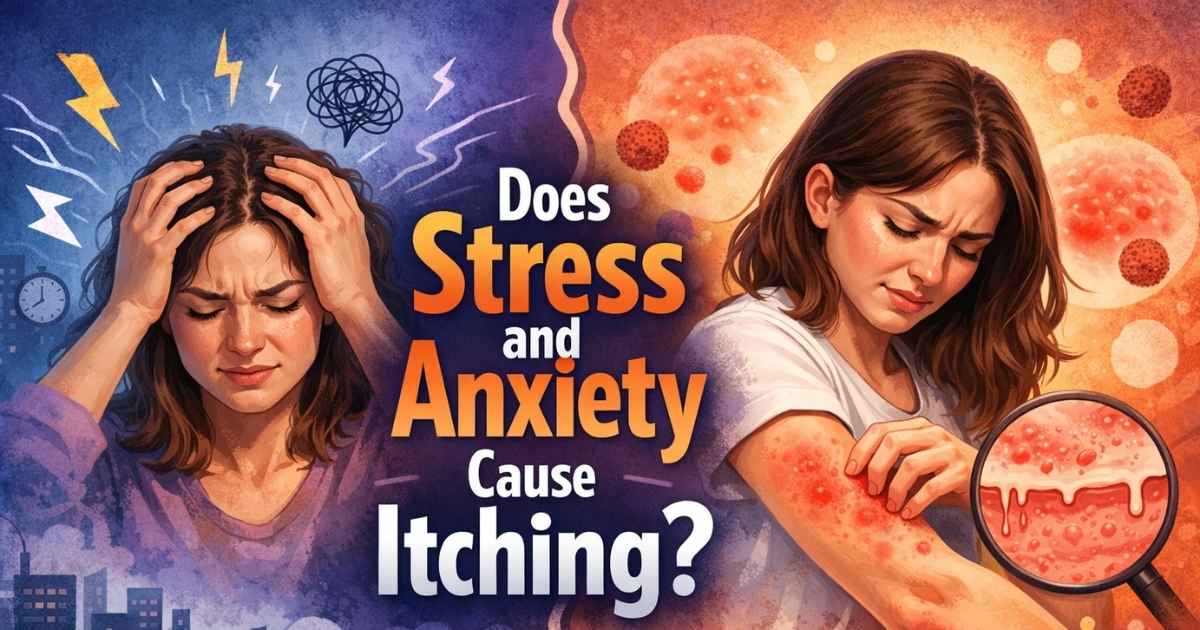
So, Does Stress and Anxiety Cause Itching? All you need to know! Surprisingly, yes. Mental stress can affect the body in many physical ways including skin irritation. The mind and body are deeply connected. When your stress levels rise, your nervous system and hormones can trigger reactions that affect your skin.
Related Post: Does Stress and Anxiety Cause Itching? All you need to know!
The Link Between Stress, Anxiety, and Itching
Stress doesn’t just stay in your mind. It often shows up in the body through headaches, fatigue, muscle tension, and even skin discomfort. One common reaction is stress related itching, where the skin becomes irritated without a clear external cause.
When you experience anxiety, your body releases stress hormones like cortisol. These hormones influence the immune system and the nerves under your skin. As a result, some people experience itchy skin due to stress or even mild Does Stress and Anxiety Cause Itching? All you need to know!. This is part of the body’s natural stress response.
For example, many people report itching during anxiety attacks or intense emotional moments. Doctors often observe that stress hormones and skin reactions can make the skin more sensitive than usual. That’s why anxiety causing skin itching is more common than most people think.
Psychological Factors that Contribute to Itching
Your brain and skin communicate constantly. Scientists often call this the brain skin connection. When your mind feels overwhelmed, the nervous system sends signals that can affect the skin’s nerves and immune responses.
This is why Does Stress and Anxiety Cause Itching occur in some individuals. The body interprets emotional tension as physical discomfort. In dermatology, experts refer to this phenomenon as the mind body connection skin itching. Simply put, emotional stress can trigger physical sensations on the skin.
The anxiety and nervous system response also plays a major role. Stress can increase nerve sensitivity which may lead to anxiety induced skin irritation or anxiety and skin sensitivity. In many cases, people experience skin nerve irritation from stress even when their skin looks completely normal.
Is Itching Always Caused by Stress and Anxiety?
Although stress can trigger itching, it is not always the main cause. Many skin issues arise from allergies, dryness, infections, or environmental factors. Conditions like eczema or allergic reactions can also create persistent itching.
For instance, stress rash and itching might look similar to allergic skin reactions. However, doctors must rule out other possibilities before linking symptoms to mental stress. Sometimes what appears to be emotional stress skin problems could actually be a dermatological condition.
This is why it’s important to consult a medical professional if symptoms continue. While stress triggered skin conditions exist, accurate diagnosis helps determine whether the cause is physical, psychological, or a combination of both.
Anxiety, Stress, and Pre-existing Skin Conditions
People who already live with skin diseases often notice their symptoms worsening during stressful periods. Stress can weaken the immune system which may trigger inflammation and irritation.
For example, individuals with eczema or psoriasis frequently experience stress flare ups skin diseases. Dermatologists often observe that chronic itching and anxiety occur together in patients who struggle with long-term skin disorders.
In fact, studies in mental health and dermatology show that emotional distress can worsen inflammatory conditions. Stress can also increase stress related skin inflammation and make the stress impact on skin health much more noticeable.
Diagnosing Anxiety/Stress Related Itching
When patients complain about unexplained itching, doctors usually start by examining physical causes first. They may run blood tests, check for allergies, or look for signs of infection.
If medical tests show no physical triggers, the focus may shift to psychological causes of itching. In many cases, doctors explore the patient’s lifestyle, stress levels, and emotional well-being. This helps determine whether chronic stress skin problems are contributing to the symptoms.
At this stage, understanding why does stress cause itching becomes important. Stress hormones like cortisol can lead to cortisol and skin inflammation and affect the immune system. This explains the connection between stress and immune system effects and persistent itching.
Tips for Managing Stress-Related Itching
Managing stress can significantly reduce skin discomfort. Since emotional tension often triggers itching, focusing on relaxation techniques can help calm both the mind and body.
Here are some helpful strategies for stress management for skin health:
- Practice deep breathing exercises
- Try meditation or mindfulness
- Maintain a consistent sleep schedule
- Exercise regularly to release stress hormones
- Use gentle skincare routines recommended by dermatologists
These methods help regulate the stress hormones and skin irritation cycle. Over time, they may reduce emotional triggers for itching and improve overall skin comfort.
When to Seek Professional Help
Occasional itching during stressful moments may not be serious. However, persistent itching that disrupts sleep or daily activities should be evaluated by a healthcare professional.
A doctor can determine whether your symptoms are linked to mental health and skin disorders or another underlying issue. Sometimes a dermatologist and mental health specialist work together to treat both the physical and emotional aspects of the condition.
If you experience itching along with anxiety symptoms like racing thoughts, panic attacks, or sleep disturbances, medical advice can help you manage the condition effectively.
Conclusion
Stress and anxiety affect far more than emotions. They can trigger physical symptoms throughout the body including unexplained skin irritation and itching. The connection between the nervous system, hormones, and skin explains why many people experience itching during stressful periods.
Understanding this link can help break the cycle of discomfort. Does Stress and Anxiety Cause Itching for everyone? Not always. However, stress can certainly make skin more sensitive and worsen existing conditions. Managing stress, improving lifestyle habits, and seeking professional guidance when necessary can greatly improve both mental well-being and skin health.

Daniel Morgan is a health writer and wellness researcher dedicated to making evidence-based health information simple, practical, and actionable. With over six in health education and research, he specializes in translating complex medical topics into clear guidance readers can trust.