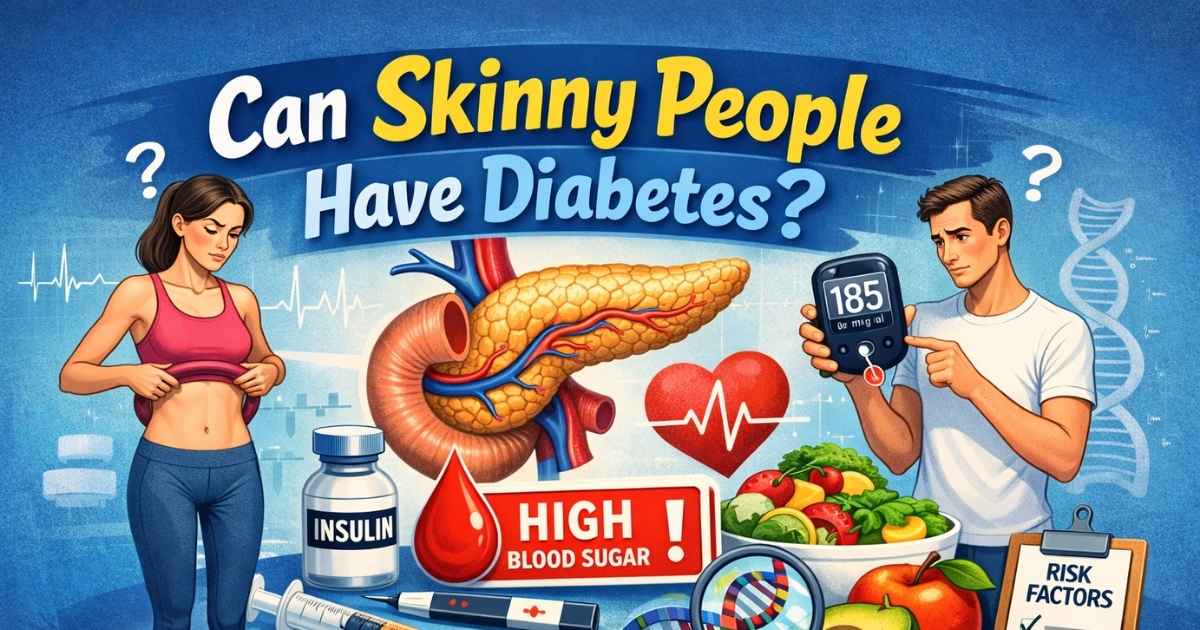
Most people picture diabetes as a condition that only affects overweight individuals. But that’s a myth and a dangerous one. The truth is, can skinny people have diabetes? Yes, absolutely. Diabetes doesn’t check your waistline before it strikes. It can develop in people of any size, shape, or body type.
At Premier Medical Centers, our experienced physicians understand that diabetes is far more complex than a number on a scale. Genetics, insulin resistance, visceral fat, and lifestyle habits all play a role regardless of how slim someone looks on the outside.
Related Post: How to Take Glutathione Effectively | Methods & Tips
Types of Diabetes
Understanding diabetes starts with knowing its different forms. Each type Can Skinny People Have Diabetes the body differently and can occur in people with a normal or even low body weight.
Type 1
Type 1 diabetes is an autoimmune disease. The immune system mistakenly attacks the insulin-producing cells in the pancreas, leaving the body unable to regulate blood sugar levels on its own. Without insulin production, glucose can’t enter the cells so it builds up in the bloodstream instead.
This is one reason why many type 1 diabetics are thin. Since glucose metabolism breaks down, the body turns to fat and muscle for energy. That leads to unexplained weight loss, even when someone is eating normally. Many people don’t connect the dots right away because the early symptoms of diabetes fatigue, excessive thirst, frequent urination can be easy to dismiss.
Type 2
Type 2 diabetes develops when the body becomes resistant to insulin. The pancreas may still produce insulin, but the cells don’t respond to it properly. Over time, chronic high blood sugar causes serious damage throughout the body.
Here’s what surprises most people: type 2 diabetes in skinny people is more common than expected. A slim body doesn’t always mean a healthy metabolism. Some thin individuals carry hidden visceral fat around their organs, which disrupts insulin sensitivity just as much as visible excess weight. So yes you can develop type 2 diabetes even if you’re slim.
Gestational Diabetes
Gestational diabetes occurs during pregnancy when the body can’t produce enough insulin to keep up with hormonal changes. It typically resolves after delivery, but it raises the risk of type 2 diabetes later in life.
Slim women aren’t immune to this. Gestational diabetes risk has more to do with hormones, family history of diabetes, and metabolic health than with body weight alone. Even underweight women can develop it, which is why doctors screen all pregnant patients not just those with a higher body mass index (BMI).
The Role of Weight in Diabetes
Weight matters in diabetes but it’s only one piece of a much larger puzzle. The real question isn’t how much you weigh; it’s what’s happening inside your body.
There’s an important difference between healthy skinny and unhealthy skinny. A person who is healthy and lean exercises regularly, eats balanced meals, and has good metabolic health. But someone who is unhealthy skinny might eat poorly, have low muscle mass, and carry hidden fat around internal organs. From the outside, both people may look the same. Inside, the picture is very different.
This is why diabetes in thin people often goes undetected for too long. Doctors, and patients themselves, don’t always think to test for it. By the time it’s caught, the condition may already be progressing. Regular blood glucose testing matters for everyone not just those with visible weight gain.
Causes of Diabetes in Skinny People
Show Image
Genetic Predisposition
Genetics is one of the strongest risk factors for diabetes and it doesn’t care how slim you are. If your parents or close relatives have diabetes, your risk goes up significantly. Family history of diabetes is a key screening factor that often gets overlooked in lean individuals.
A young, fit adult with no weight concerns can still receive a diabetes diagnosis because the condition runs in their family. This is exactly why we shouldn’t rely on body size alone to assess risk. Genetic risk of diabetes is real, and it can show up in anyone.
Hidden (Visceral) Fat and Metabolic Health
You don’t have to look overweight to carry excess fat. Visceral fat the fat that builds up around your internal organs doesn’t show on the outside. But it seriously disrupts the endocrine system and impairs glucose metabolism, increasing your risk of insulin resistance.
This is one of the most misunderstood causes of diabetes in normal-weight adults. Someone can have a perfectly “normal” BMI and still have a metabolic profile that mirrors someone with obesity. That hidden fat and diabetes connection is a key reason why metabolic health in skinny people deserves more attention.
Lifestyle Factors
Unhealthy lifestyle habits can drive insulin resistance even in thin people. A diet heavy in processed foods and sugar, combined with a sedentary routine and chronic stress, puts real strain on the pancreas. Over time, the body struggles to maintain stable blood sugar levels.
Don’t assume that staying slim means your lifestyle is automatically healthy. Blood sugar problems in slim people often trace back to irregular eating, poor sleep, or a lack of physical activity. Thin body type and diabetes risk are more connected than most people realize.
Medical Conditions That Influence Blood Sugar
Certain health conditions interfere with how the body manages blood sugar. Polycystic ovary syndrome (PCOS), thyroid disorders, and metabolic syndrome can all raise diabetes risk regardless of weight. These conditions affect insulin sensitivity and pancreas function in ways that have nothing to do with how much a person weighs.
Lean individuals with these conditions may be surprised by a diabetes diagnosis. But it makes sense once you understand that diabetes causes in normal-weight adults often involve underlying hormonal or metabolic disruptions.
Warning Signs and Symptoms of Diabetes in Thin People
Recognizing the warning signs early can make a real difference. Don’t wait until symptoms become severe. Here are the most common signs to watch for:
- Fatigue and excessive thirst feeling constantly tired and unable to quench your thirst
- Frequent urination especially waking up at night to use the bathroom
- Unexplained weight loss losing weight without trying or changing your diet
- Blurred vision a sign that blood sugar is affecting your eyes
- Slow-healing wounds cuts or bruises that take much longer than usual to heal
- Tingling or numbness especially in the hands or feet
- Frequent infections recurring skin, gum, or urinary tract infections
Slim people tend to overlook these symptoms because they don’t fit the “typical” diabetes image. But early detection is everything. If you notice any of these signs, get a diabetes screening test right away.
How to Prevent Diabetes for Skinny People
Healthy Eating Habits
What you eat shapes how your body handles blood sugar and that’s true no matter your size. Focus on whole foods: vegetables, fruits, lean proteins, legumes, and whole grains. Cut back on sugary drinks, ultra-processed snacks, and refined carbohydrates.
Thinness doesn’t protect you from the effects of a poor diet. Lean diabetes risk factors often include exactly this: someone who looks slim but regularly spikes their blood sugar with unhealthy food choices. A balanced, consistent diet is one of the most powerful tools for diabetes prevention for slim people.
Exercise and Physical Activity
Regular movement helps your body use insulin more efficiently. It improves glucose metabolism, supports heart health, and reduces the impact of visceral fat on your organs. You don’t need intense workouts 30 minutes of brisk walking, cycling, or swimming most days makes a meaningful difference.
Resistance training is especially helpful because it builds muscle, which improves insulin sensitivity. Even if you’re already slim, staying physically active is non-negotiable for long-term metabolic health.
Medical Advice and Early Intervention
Seeing a doctor regularly isn’t just for people who feel unwell. Routine checkups allow for early blood glucose testing, which can catch problems before they escalate. If you have a family history of diabetes or any of the risk factors mentioned above, talk to your doctor about screening.
At Premier Medical Centers, we provide comprehensive evaluations, personalized risk assessments, and evidence-based guidance tailored to your situation. Early intervention can stop pre-diabetes from becoming full-blown diabetes and that’s a difference worth making.
Conclusion
Diabetes is not a condition that only affects one body type. Can skinny people have diabetes? Without question. Genetics, visceral fat, lifestyle habits, and underlying medical conditions all create real risk regardless of what the scale says. Skinny people with diabetes face the same challenges and complications as anyone else, which is why awareness matters so much.
Don’t wait for symptoms to get worse. If you’re concerned about your risk or have noticed any warning signs, Premier Medical Centers is here to help. Our team offers thorough screenings, expert guidance, and individualized care plans to keep you healthy at every size. Book your appointment today because your health is worth taking seriously.

Daniel Morgan is a health writer and wellness researcher dedicated to making evidence-based health information simple, practical, and actionable. With over six in health education and research, he specializes in translating complex medical topics into clear guidance readers can trust.