
Choosing between an OB-GYN vs Primary Care Doctor isn’t always straightforward. Both play vital roles in your health, and their services can overlap in ways that genuinely confuse patients. But here’s the thing picking the wrong one for the wrong concern can delay your care or leave gaps in your health management.
Whether you’re dealing with irregular periods, a chronic illness, or just trying to figure out who handles your annual checkup, this guide will clear things up for you.
Related Post: Urgent Care or ER for a Broken Bone?
OB-GYNs: Specializing in Women’s Reproductive Health
An OB-GYN combines two distinct specialties: obstetrics (pregnancy and childbirth) and gynecology (women’s reproductive health). That’s a broad scope, but it’s a focused one. Everything they do centers on the female reproductive system from your first Pap smear to postpartum recovery.
Think of an OB-GYN as your go-to women’s health specialist. They’re trained to handle annual gynecological exams, hormonal imbalances, fertility concerns, and complex conditions like endometriosis or PCOS. However, if you walk in with a sinus infection or high blood pressure, they’ll likely refer you out. Reproductive health is their lane, and they stay in it.
Obstetrician Advantages: Why Choose an OB-GYN?
If you’re pregnant especially with a high-risk pregnancy an OB-GYN isn’t just helpful, they’re essential. They have advanced training in maternity care, fetal monitoring, and managing complications that a general doctor simply isn’t equipped for. For reproductive concerns, the obstetrician advantages are hard to match.
Beyond pregnancy, OB-GYNs excel at:
- Infertility treatment and family planning consultations
- Menopause care, including hormone therapy management
- Pap smear screenings and STI testing
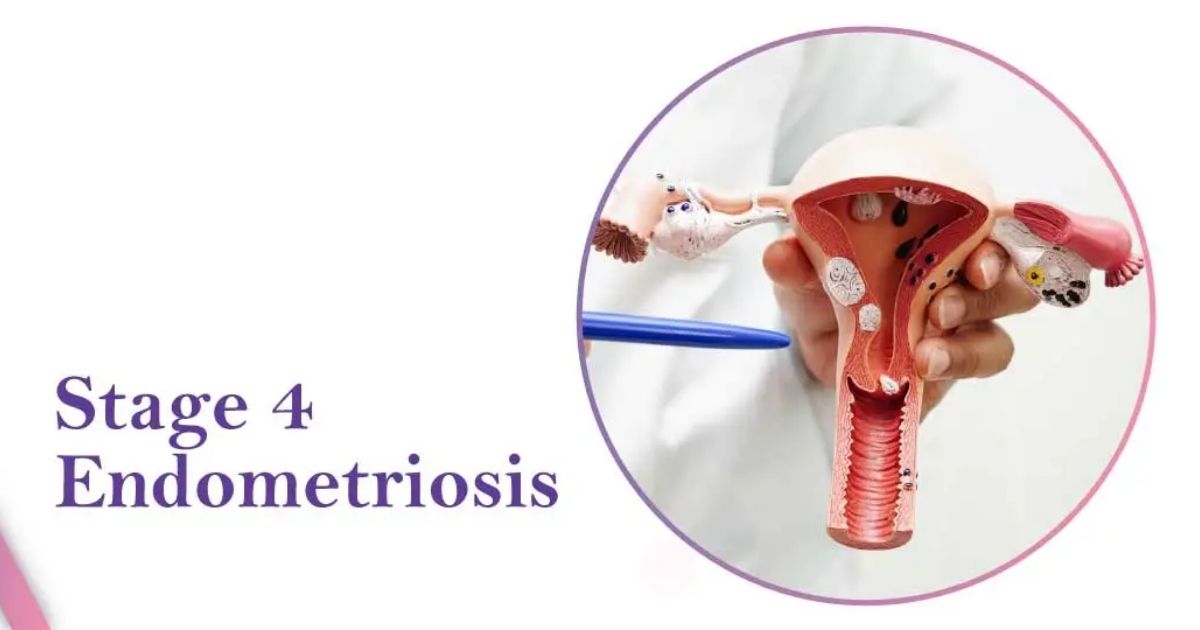
- Managing conditions like PCOS, fibroids, and endometriosis
- Postpartum care and emotional health after delivery
If your concern is reproductive, an OB-GYN will almost always give you more targeted, expert care than a generalist.
Can an OB-GYN Be a Primary Care Doctor?
This is one of the most common questions women ask, and the honest answer is: sort of. An OB-GYN can serve as your primary care doctor for reproductive health matters. Some women especially those who see their OB-GYN regularly treat them as their main point of contact for women’s wellness exams and routine screenings.
But here’s where it gets tricky. OB-GYNs don’t manage chronic disease. They won’t treat your diabetes, monitor your cholesterol, or help you with anxiety. So while an OB-GYN vs Primary Care Doctor comparison shows clear overlap in preventive women’s care, it also reveals a real gap. For total-body health, you still need a primary care physician in your corner.
Primary Care Doctors: Comprehensive Care for All Health Concerns
A primary care physician is your health generalist. They treat patients across the full range of health concerns from a common cold to chronic disease management for conditions like hypertension, asthma, or type 2 diabetes. They’re also your first stop for mental health screenings, lifestyle advice, and referrals to specialists.
There are a few types you might encounter:
- Family medicine doctors treat patients of all ages
- Internal medicine doctors focus on adult health and complex conditions
Primary care doctors don’t just fix problems they prevent them. Routine checkups, blood work, vaccinations, and preventive healthcare for women all fall within their scope. In many ways, they’re the quarterbacks of your overall health team.
Do Women Need Both an OB-GYN and a Primary Care Doctor?
Short answer? Yes and it’s worth being intentional about it. An OB-GYN handles your reproductive wellness while a primary care doctor manages everything else. Together, they cover your health from every angle.
Consider this: your OB-GYN might catch a hormonal issue during a routine visit, while your primary care doctor monitors how that condition affects your cardiovascular health. Neither doctor operates in a silo, and neither can fully replace the other. Women who see both consistently tend to have fewer care gaps and catch issues earlier. If you can, build a relationship with both.
When Should I See an OB-GYN?
You should make an appointment with an OB-GYN when your concern is reproductive or gynecological in nature. Here’s a quick checklist:
- Annual pelvic exams and Pap smear screenings
- Pregnancy care, especially high-risk pregnancies
- Irregular, painful, or abnormally heavy periods
- PCOS, endometriosis, or fibroids
- Questions about fertility or family planning
- Menopause symptoms like hot flashes or mood changes
- Sexual health concerns or STI screenings
- Postpartum follow-up care
If it’s below the belt and related to your reproductive system, your OB-GYN is the right call.
When Do I Go to a Primary Care Doctor?
Your primary care doctor is your first stop for anything that isn’t reproductive. Don’t hesitate to call them for:
- Annual physical exams and general health screenings
- Colds, flu, skin infections, or injuries
- Managing chronic conditions like diabetes or hypertension
- Mental health concerns anxiety, depression, burnout
- Lifestyle guidance around diet, sleep, or exercise
- Referrals to specialists, including OB-GYNs
In fact, many women first discover a reproductive issue through their primary care doctor during a routine checkup. The two specialties complement each other more than most people realize.
Choosing the Right Care Provider
When you’re weighing the OB-GYN vs Primary Care Doctor decision, let your symptoms guide you. Reproductive concern? Go to the OB-GYN. General health issue? See your primary care doctor. Not sure? Your primary care doctor is usually the better starting point they’ll refer you if needed.
At the end of the day, both providers serve you best when they work together. A good primary care doctor and a trusted OB-GYN form a powerful team. You don’t have to choose one over the other you just need to know when to call which one.
Conclusion
Understanding the difference between an OB-GYN vs Primary Care Doctor is one of the smartest things you can do for your long-term health. One keeps your reproductive health on track; the other keeps everything else running smoothly. Neither is more important than the other they’re just built for different jobs.
Don’t wait for a health scare to figure out who to call. Build relationships with both providers, stay on top of your annual screenings, and speak up when something feels off. Your health deserves that kind of proactive attention, and the right doctors are there to support you every step of the way.

Daniel Morgan is a health writer and wellness researcher dedicated to making evidence-based health information simple, practical, and actionable. With over six in health education and research, he specializes in translating complex medical topics into clear guidance readers can trust.