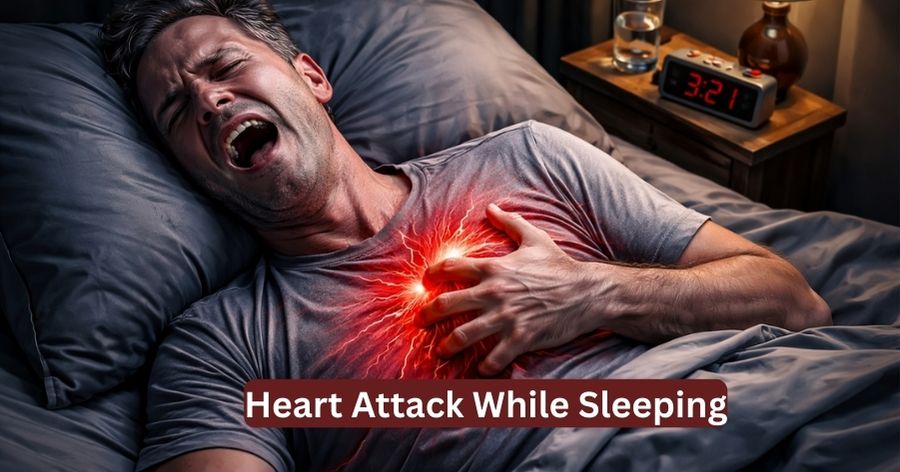
Many people imagine heart attacks happening during busy daytime hours. In reality, a heart attack while sleeping can occur quietly in the middle of the night. Because you’re asleep, the warning signs may feel confusing or easy to ignore.
Doctors often say nighttime cardiac events are dangerous because people may wake up too late to react. If you suddenly wake with chest discomfort, shortness of breath, or panic, your body could be sending a signal. Understanding these nighttime heart attack symptoms helps you respond quickly and protect your health.
Related Post: How Long Do Shin Splints Last? A Complete Guide to Recovery
What Happens During a Heart Attack
A heart attack occurs when blood flow to part of the heart muscle becomes blocked. The heart needs a steady supply of oxygen-rich blood to work properly. When a blockage forms, the affected heart tissue begins to suffer damage within minutes.
Most blockages happen because of plaque buildup inside arteries. Over time, fat and cholesterol narrow the vessel until blood can’t pass easily. This condition is often linked to coronary artery blockage and other heart disease warning signals.
You can imagine arteries like highways. Blood is the traffic that keeps everything moving. If a major accident blocks the road, traffic stops. In the same way, a blocked artery stops blood from reaching the heart muscle.
Why It Can Happen While You Sleep
Many people ask: can you have a heart attack in your sleep? The answer is yes. Your body goes through several changes at night that may increase the risk for certain individuals.
During sleep, your heart rate slows down and blood pressure often drops. These changes help your body recover from daily stress. However, if someone already has heart attack risk factors, the reduced blood flow may trigger problems.
Sleep stages can also affect breathing and oxygen levels. Conditions like sleep apnea cause repeated pauses in breathing, leading to sleep-related cardiac events. These fluctuations may stress the heart and contribute to heart attack during rest.
Another factor involves hormones. The body releases fewer stress hormones at night, which normally help maintain alertness in the cardiovascular system. Without them, the heart may react more slowly to reduced oxygen supply.
Signs of a Heart Attack During Sleep
Recognizing the symptoms of a heart attack while sleeping is essential because they may feel different from daytime symptoms. Some people wake suddenly with strong discomfort, while others experience subtle warning signs.
Doctors say the most common signs include chest pressure, breathing problems, nausea, and unusual sweating. Sometimes these symptoms feel like indigestion or anxiety, which makes them easy to dismiss.
If you wake up with nighttime chest discomfort, severe fatigue, or unexplained panic, your body might be reacting to reduced blood flow. Learning how to recognize a sleep heart attack could help you act faster during a medical emergency.
Common Night time Symptoms
Nighttime symptoms often resemble those during the day, but they may appear more suddenly. Many people wake up in the middle of the night feeling confused about what’s happening.
These sleep heart attack warning signs can range from mild discomfort to intense pain. The key is noticing when something feels unusual or severe.
Pain in arms, back, jaw, or stomach
Not every heart attack begins with chest pain. Sometimes the discomfort spreads to other parts of the body. You may feel pain moving into the arms, shoulders, back, jaw, or even the stomach.
These sensations happen because nerves in the heart share pathways with other areas of the body. As a result, pain can appear in places that seem unrelated. When this occurs together with chest pressure, it may indicate blocked artery symptoms.
Shortness of breath
Waking up suddenly and struggling to breathe can be frightening. Some people describe it as feeling unable to take a deep breath or as if something heavy is pressing on their chest.
Breathing problems at night can sometimes relate to lung conditions or anxiety. However, breathing problems at night combined with chest pressure may signal heart trouble. Many patients wonder, is waking up gasping a heart problem? In some cases, it can be.
Cold sweat or nausea
Another common warning sign is sudden sweating. Your skin may feel cold and clammy even though the room temperature is normal.
Nausea or vomiting can also occur during a cardiac event. These symptoms are particularly common in women and older adults. When combined with chest discomfort, they may represent important cardiac emergency signs.
Sudden awakening with a sense of panic
Some people wake up feeling an intense sense of fear or panic. They may feel shaky, dizzy, or convinced something is wrong even if they can’t explain why.
This sudden alarm response may happen because the body detects a drop in oxygen supply. If panic appears alongside chest discomfort or breathing difficulty, it could signal warning signs before a heart attack.
Silent Symptoms (especially in older adults or diabetics)
Not every heart attack causes severe pain. In fact, many people experience silent heart attack symptoms that feel mild or unusual.
Older adults and individuals with diabetes often experience these subtle signs. Nerve damage caused by diabetes may reduce pain signals, making symptoms harder to notice.
Mild discomfort
Instead of intense pain, some people feel a vague pressure or fullness in the chest. It might seem similar to heartburn or muscle strain.
Although mild, this discomfort may still indicate early heart attack symptoms. Paying attention to small changes can help prevent serious complications.
Feeling very tired
Sudden or extreme fatigue can appear before a heart attack. You might feel exhausted even after sleeping for several hours.
Doctors sometimes observe this symptom in heart attack symptoms in older adults, where fatigue replaces classic chest pain.
Trouble breathing without chest pain
Some individuals wake up with difficulty breathing but no chest discomfort. This symptom is common in people with diabetes or nerve damage.
These cases are often described as silent heart attack symptoms in diabetics. Because pain is absent, many people delay seeking help.
Who Is at Risk?
Heart attacks can affect anyone, but certain conditions increase the likelihood. Understanding your risk helps you take preventive action and improve heart health during sleep.
Many factors contribute to heart disease. Some involve medical conditions, while others relate to lifestyle habits.
High-Risk Groups
People with high blood pressure, diabetes, or existing heart disease face a greater risk of nighttime cardiac problems. These conditions damage blood vessels over time.
For example, high blood pressure and heart attack risk are strongly linked because pressure weakens artery walls. Similarly, cholesterol and heart disease risk increase when plaque accumulates in blood vessels.
Smokers also face elevated danger because smoking damages the lining of arteries and accelerates plaque buildup.
Lifestyle Triggers
Certain habits can trigger nighttime heart stress. Eating heavy meals before bed forces the body to work harder during digestion.
Alcohol consumption may disturb heart rhythm and sleep patterns. Emotional stress or anxiety late at night can also increase blood pressure.
Many people ask, can stress cause a heart attack during sleep? In individuals with existing heart problems, stress may indeed contribute to cardiac strain.
What to Do If You Suspect a Heart Attack While Sleeping
Experiencing a heart attack while sleeping can feel frightening and confusing. Acting quickly is the most important step.
If you wake up with severe chest pain, breathing difficulty, or other warning signs, don’t ignore them. Immediate medical attention can reduce heart damage and save your life.
Immediate Steps
Take these actions if you suspect a heart attack:
- Call emergency services immediately
- Sit upright and try to stay calm
- Chew an aspirin if you are not allergic
- Avoid driving yourself to the hospital
Many people hesitate because they aren’t sure how to know if chest pain is serious. When symptoms feel unusual or intense, it’s safer to seek help right away.
When to Seek Medical Help (Even if Symptoms Go Away)
Sometimes symptoms fade after a few minutes. This may create a false sense of relief, leading people to ignore the warning signs.
However, heart attacks can occur in stages. Temporary improvement does not guarantee the problem is gone. Doctors recommend medical evaluation whenever you experience possible heart disease warning signals.
If you’re unsure when to go to the hospital for chest pain, remember a simple rule. Persistent pain, shortness of breath, or unusual sweating should always be checked by a healthcare professional.
How to Lower the Risk of a Heart Attack at Night
Preventing nighttime heart problems often involves simple lifestyle changes. Consistent healthy habits improve circulation and reduce strain on the heart.
Many doctors emphasize heart attack prevention tips that focus on both daily routines and bedtime habits.
Healthy Habits Before Bed
A calm bedtime routine helps protect your heart overnight.
Helpful habits include:
- Eat a light dinner several hours before sleeping
- Avoid smoking and alcohol late at night
- Maintain a regular sleep schedule
- Practice relaxation techniques such as deep breathing
These steps support better circulation and answer an important question many people ask: how to prevent heart attacks at night.
Long-Term Tips
Long-term heart health matters even more than bedtime routines.
Consider these habits:
- Exercise regularly during the day
- Maintain healthy blood pressure levels
- Control cholesterol through diet and medication if needed
- Visit your doctor for regular checkups
These actions help reduce overall cardiac risk and show how to reduce heart attack risk while sleeping.
Conclusion
A heart attack while sleeping may sound frightening, but awareness makes a huge difference. Knowing the warning signs and understanding the risks can help you act quickly when it matters most.
Listen to your body, especially if symptoms appear suddenly during the night. Chest pressure, breathing difficulty, nausea, or panic shouldn’t be ignored. With healthy habits, regular medical care, and prompt action during emergencies, you can greatly reduce the risk of nighttime heart problems and protect your long-term heart health.

Daniel Morgan is a health writer and wellness researcher dedicated to making evidence-based health information simple, practical, and actionable. With over six in health education and research, he specializes in translating complex medical topics into clear guidance readers can trust.