
If you’ve been eating well and exercising but the scale won’t budge, you’re not alone. Many people overlook one simple factor: nutrient deficiencies. In fact, low levels of key vitamins can quietly slow your metabolism and drain your energy.
That’s where vitamin D3 and K2 for weight loss come into the picture. These two nutrients don’t act like magic fat burners. Instead, they help your body function the way it’s supposed to. And when your body works efficiently, fat loss becomes much easier.
Related Post: When to Visit an Emergency Room vs. Urgent Care: A Quick Guide
What is Vitamin D3?
Vitamin D3 is often called the “sunshine vitamin” because your skin produces it when exposed to sunlight. It supports bone strength, immune health, and even mood balance. But it also plays a role in insulin regulation and vitamin D-related metabolic processes.
When levels drop, problems start to show. Vitamin D deficiency and weight gain often go hand in hand. You might feel tired, sluggish, or unmotivated to move. Over time, that low energy can affect your ability to boost metabolism naturally and stay active.
Many people don’t get enough sun. Indoor jobs, sunscreen use, and colder climates all reduce production. That’s why supplements for weight management sometimes include D3 as part of a broader healthy metabolism support plan.
What is Vitamin K2?
Vitamin K2 doesn’t get as much attention as D3, but it’s just as important. Its main job is directing calcium to the right places in your body. Think of it as a traffic controller for calcium absorption and metabolism.
Without enough K2, calcium can build up in soft tissues instead of strengthening bones. That’s why K2 for bone and heart health is so important. It activates proteins that keep your arteries clear and your bones strong.
You’ll find K2 in fermented foods, aged cheeses, and certain animal products. However, many diets don’t provide consistent amounts. That’s why the benefits of vitamin K2 are often discussed alongside D3 and K2 supplement benefits.
How Vitamin D3 and K2 Work Together for Health
Taking D3 alone helps your body absorb calcium. But without K2, that calcium doesn’t always end up where it should. This is where the synergy matters.
When combined, vitamin D3 and K2 for weight loss and overall health create balance. D3 increases calcium levels in the blood, while K2 ensures proper fat-soluble vitamin absorption and distribution. Together, they support stronger bones, better muscle function, and improved energy levels naturally.
If you’ve ever wondered how vitamin D3 and K2 help with weight loss, it starts here. A stronger musculoskeletal system allows you to train harder, recover faster, and maintain muscle mass.
The Science Behind Vitamin D3, K2, and Weight Loss
Research suggests that hormones and metabolism play a major role in fat storage. Vitamin D influences leptin and insulin sensitivity. When levels are low, leptin resistance and obesity risk may increase.
That’s why vitamin D deficiency and weight gain are frequently linked in studies. K2 also supports enzyme activation and the vitamin K2 role in fat metabolism. Together, they function as fat metabolism support vitamins that encourage your body to use energy more efficiently.
How They May Support Weight Loss
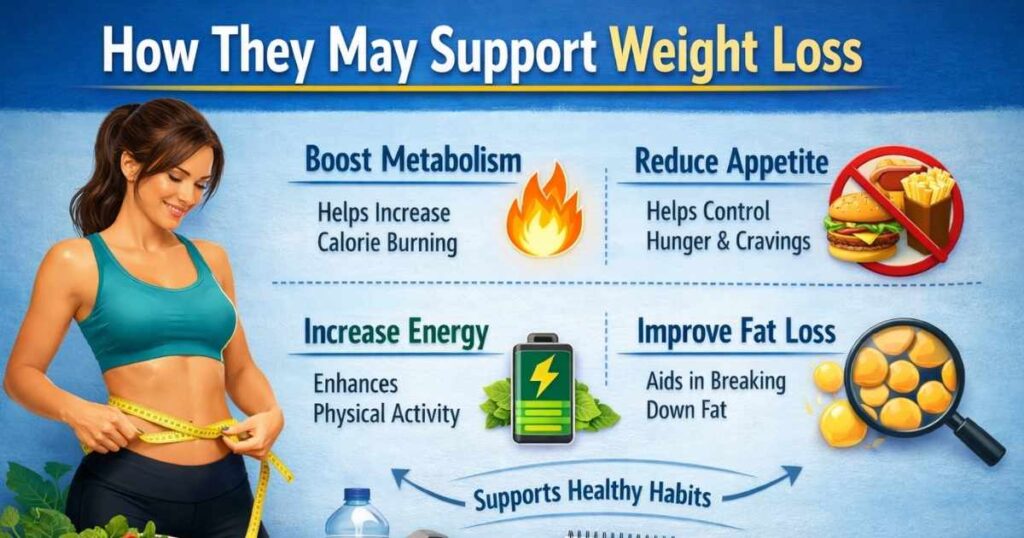
So, does vitamin D3 and K2 reduce body fat? They don’t directly “burn” fat like a stimulant. Instead, they create the right internal conditions for fat loss.
For example, vitamin D for belly fat has been studied due to its role in hormone balance and weight loss. Adequate levels may reduce fat storage signals. At the same time, D3 and K2 for muscle strength help preserve lean mass, which supports muscle maintenance and fat loss over time.
Impact on Metabolism and Hormones
Can vitamin D deficiency slow metabolism? Yes, it can. Low D3 levels may disrupt insulin regulation and vitamin D pathways that control blood sugar. When blood sugar spikes often, your body stores more fat.
K2 complements this process. It supports healthy metabolism support mechanisms by improving calcium use in muscle tissue. This contributes to better contraction and performance, which helps you improve metabolism with vitamin D3 and consistent training.
Recommended Dosages of Vitamin D3 and K2 for Weight Loss
Before starting supplements, you should know the correct amounts. Vitamin D3 K2 dosage for adults typically ranges from 1,000 to 2,000 IU of D3 daily. Some people with deficiency may require more under medical supervision.
K2 intake usually falls between 90–120 mcg per day. If you’re asking how much D3 and K2 for weight loss is ideal, testing your levels first is smart. Personalized dosing always beats guesswork.
How Much to Take
Should I take D3 and K2 daily? In most cases, yes. Consistency matters because these are fat-soluble vitamins that build up gradually.
However, more isn’t better. Excessive supplementation can cause imbalances. Always check with your healthcare provider, especially if you’re already taking supplements for weight management or calcium.
When to Take Them
The best time to take vitamin D3 and K2 is with a meal containing healthy fats. Since they’re fat-soluble, absorption improves significantly when paired with food.
If you’re wondering about vitamin D3 K2 before or after meals, always choose during or after eating. Many people use a D3 K2 supplement for energy boost in the morning or at lunch to support daily activity.
Tips for Getting the Most Out of Vitamin D3 and K2
Supplementation alone won’t solve stubborn weight issues. However, combining smart habits with vitamin D3 and K2 for weight loss can create powerful momentum.
Think of these vitamins as part of a bigger toolkit. They support the foundation, but you still need movement, sleep, and balanced nutrition.
Combine with Healthy Diet
Pair your supplements with whole foods. Fatty fish, eggs, olive oil, and nuts enhance fat-soluble vitamin absorption. This also supports natural weight loss support strategies without extreme dieting.
When you combine nutrient-rich meals with D3 and K2 supplement benefits, your body operates more smoothly. Over time, this steady approach can help with stubborn weight loss.
Regular Sun Exposure
Natural ways to increase vitamin D levels include safe sun exposure. About 10–20 minutes several times per week can make a difference depending on your skin tone and location.
Sunlight works as a natural metabolic primer. When combined with vitamin D and hormone regulation support, it strengthens your overall fat-burning vitamins strategy.
Monitor Levels Regularly
Don’t guess. Test. Blood work can reveal signs of low vitamin D and weight gain risk before symptoms worsen.
Monitoring helps you adjust intake safely. This ensures you’re not under-supplementing or overdoing it. If you’ve been asking do vitamin D3 and K2 really work for weight loss, proper testing gives you real data instead of assumptions.
Conclusion
Vitamin D3 and K2 aren’t miracle pills. However, they play a meaningful role in metabolism, muscle function, and hormone balance. When your internal systems work efficiently, fat loss becomes less of an uphill battle.
If you suspect a deficiency, get tested before supplementing. Combine smart nutrition, resistance training, quality sleep, and vitamin D3 and K2 for weight loss as part of a balanced plan. Small corrections inside the body often lead to big results outside it.

Daniel Morgan is a health writer and wellness researcher dedicated to making evidence-based health information simple, practical, and actionable. With over six in health education and research, he specializes in translating complex medical topics into clear guidance readers can trust.