Noticing clear, stretchy discharge early in pregnancy can feel confusing and surprising. Many women spot early pregnancy egg white discharge before they even take a test. It’s one of those subtle body changes that quietly signals something big is happening inside you.
The good news is it’s usually completely normal. Your hormones are shifting, your cervix is responding, and your body is preparing to protect a growing baby. This guide breaks down exactly what this discharge means, why it happens, and when you should speak to a doctor.
Related Post: First 72 Hours of Pregnancy Symptoms
Early Pregnancy Egg White Discharge
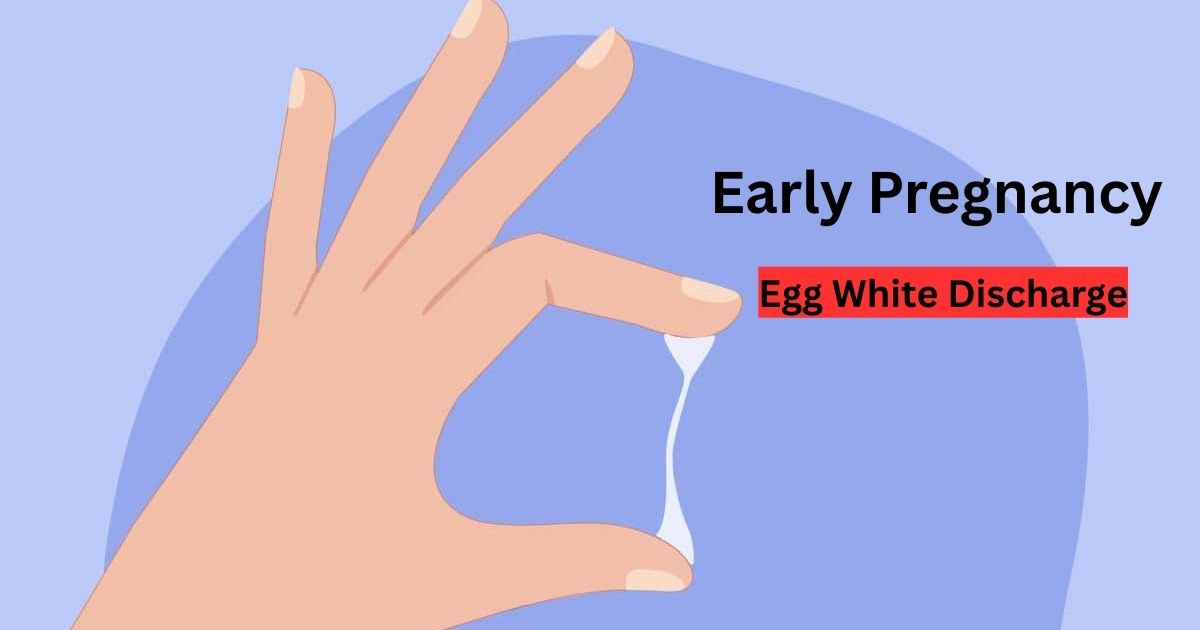
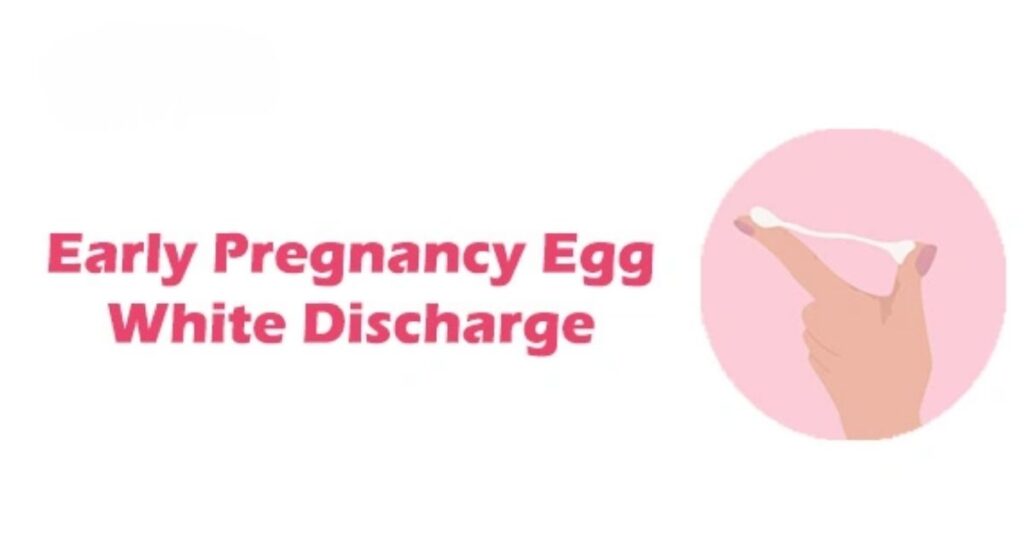
Early pregnancy egg white discharge, often called egg white cervical mucus (EWCM), is a clear, slippery, and stretchy vaginal discharge that looks and feels a lot like raw egg whites. You might notice it on your underwear or when you wipe and it can show up as early as the first few weeks after conception.
This type of discharge is your cervix’s way of responding to rising hormone levels. It’s usually odorless, doesn’t cause any itching or burning, and ranges from completely clear to slightly white. While it’s widely known as a sign of ovulation, many women also experience it as one of the first subtle signs of pregnancy.
Why Does Egg White Discharge Happen in Early Pregnancy?
Once conception occurs, your body kicks into high gear. Estrogen levels rise quickly and signal the cervix to produce more mucus and that mucus often has that classic stretchy, egg white texture. This is perfectly normal and happens because your body is preparing to support a growing baby. Leukorrhea in pregnancy, the general term for increased vaginal discharge, is one of the earliest and most common changes women notice.
Your body is also starting to build a mucus plug a thick barrier that seals the cervix and protects your baby from bacteria and infection. Stretchy cervical mucus pregnancy discharge is often part of this early protective process. On top of that, increased blood flow to the pelvic region causes more vaginal secretions overall. So if you’re seeing more discharge than usual, that’s your body working hard behind the scenes.
Is Egg White Discharge a Sign of Pregnancy?
Here’s the honest answer: it can be, but it isn’t conclusive on its own. Egg white cervical mucus can appear during ovulation, early pregnancy, or even just due to hormonal fluctuations. So the discharge alone won’t tell you whether you’re pregnant. What matters more is the full picture.
If you’re noticing cervical mucus after conception alongside other early symptoms like a missed period, tender breasts, mild nausea, or unusual fatigue then it’s worth taking a pregnancy test. How early does pregnancy discharge start? Some women notice it within days of conception while others don’t see it until a few weeks in. Every body is different, and that’s completely okay.
Egg White Discharge Before Period Sign of Pregnancy
One of the most common questions women ask is whether egg white discharge before a period could mean they’re pregnant. The short answer is: possibly. Can discharge increase before a missed period? Yes pregnancy hormones can begin affecting cervical mucus very early, even before your period is due.
Early signs of conception discharge tend to be clear, odorless, and more abundant than usual. If you’re also experiencing light spotting around 6–12 days after ovulation, that could be implantation bleeding. Together, these signs may point toward early pregnancy but a home pregnancy test is still the only way to confirm it.
Egg White Discharge Pregnancy or Period
It can be tricky to tell whether that stretchy mucus is related to pregnancy or just your normal cycle. The difference between ovulation and pregnancy discharge isn’t always obvious because both can produce that clear, slippery texture. However, there are some clues worth noting.
During your cycle, egg white mucus typically peaks right around ovulation and then dries up or becomes thicker afterward. In early pregnancy, the discharge tends to continue or even increase rather than tapering off. If you notice that your discharge stays clear and stretchy well past your expected ovulation window and your period doesn’t arrive that’s a meaningful signal to pay attention to.
Normal vs. Abnormal Discharge: What’s the Difference?
Knowing what healthy pregnancy discharge looks like can save you a lot of unnecessary worry. Normal discharge during early pregnancy is clear to milky white, has little to no odor, and doesn’t cause any discomfort. It may increase in volume as your pregnancy progresses, but the texture and smell should stay consistent.
Abnormal discharge, on the other hand, is worth taking seriously. Here’s a quick comparison to help you tell the difference:
| Feature | Normal Discharge | Abnormal Discharge |
| Color | Clear, white, or pale yellow | Green, gray, or dark yellow |
| Smell | Odorless or very mild | Foul, fishy, or strong |
| Texture | Slippery, stretchy, or watery | Clumpy, thick, or foamy |
| Symptoms | No irritation | Itching, burning, or redness |
Is odorless discharge normal in early pregnancy? Absolutely. But if you notice any of the abnormal signs above, it could point to a yeast infection, bacterial vaginosis, or an STI all of which need prompt medical attention during pregnancy.
When Should You Call Your Doctor?

Most of the time, vaginal discharge during first trimester is nothing alarming. But there are specific situations where you should reach out to your healthcare provider without delay. Don’t wait if you notice discharge with a strong or foul odor, unusual coloring like green or gray, or thick cottage cheese-like texture.
You should also call your doctor if you experience itching, burning, or pelvic pain alongside the discharge. Blood-tinged discharge can sometimes be normal especially light implantation spotting but heavier bleeding always warrants a call. A sudden gush of watery discharge later in pregnancy could indicate amniotic fluid leakage, which is a medical emergency. When in doubt, always check in. Your doctor would rather hear from you than have you anxious at home.
Tips for Managing Egg White Discharge in Early Pregnancy?
Managing increased vaginal discharge during pregnancy is mostly about staying comfortable and maintaining good hygiene. Start with your underwear cotton is breathable, absorbs moisture well, and reduces your risk of irritation. Synthetic fabrics trap heat and create the kind of moist environment where bacteria thrive.
Unscented panty liners are your best friend during this time. Change them regularly throughout the day so you stay fresh. Avoid douching entirely it disrupts the natural bacterial balance in your vagina and can actually increase your risk of infection. Wash the external area gently with mild, unscented soap and water, and skip feminine sprays or scented wipes. Staying hydrated also supports healthy mucus production and keeps your body functioning well overall.
Conclusion
Noticing early pregnancy egg white discharge can feel confusing at first, but it’s usually a reassuring sign that your body is adapting beautifully to early pregnancy. Hormonal shifts, increased blood flow, and your cervix preparing to protect your baby all contribute to this normal change. The key is knowing what healthy discharge looks like and staying alert to any signs that something might be off.
If you’re ever unsure, don’t hesitate to speak with a healthcare professional. At Aval Clinics, experienced experts can help you understand your symptoms and guide you through every stage of your pregnancy with confidence and care. You deserve clear answers and the peace of mind that comes with them.

Daniel Morgan is a health writer and wellness researcher dedicated to making evidence-based health information simple, practical, and actionable. With over six in health education and research, he specializes in translating complex medical topics into clear guidance readers can trust.