Pregnancy doesn’t announce itself with a fanfare. In fact, the First 72 Hours of Pregnancy Symptoms are so subtle that most women mistake them for regular premenstrual changes. Your body, however, is already working overtime quietly preparing for one of the most remarkable journeys of your life.
Understanding what’s happening inside your body during these early hours can help you stay aware, calm, and informed. Whether you’re actively trying to conceive or simply curious, this guide walks you through everything from fertilisation to the earliest signs so you know what to expect and when.
What Happens in the First 72 Hours of Pregnancy (Days 1–3 After Conception)?
The first three days after conception are biologically intense, even if you don’t feel a thing. Your body has already set a complex series of events in motion all without your awareness. These early hours are critical for establishing a healthy pregnancy, whether through natural conception or IVF.
During this window, the fertilised egg is rapidly dividing and travelling toward the uterus. Hormonal shifts are beginning, and the groundwork for implantation is quietly being laid. It’s a lot happening behind the scenes think of it as the opening act before the main show.
Fertilisation & Zygote Formation
When a sperm successfully penetrates an egg, fertilisation occurs usually within 12 to 24 hours after ovulation. The result is a single cell called a zygote, which is essentially the very first stage of a new human life. It’s tiny, but it carries the complete genetic blueprint of the person it will become.
What Occurs Immediately After Fertilization?
Almost immediately after fertilisation, the zygote begins dividing. It splits into 2 cells, then 4, then 8, then 16 forming a compact cluster called a morula. This rapid cell division happens while the embryo is still travelling through the fallopian tube, making its way toward the uterus. It’s multitasking at a microscopic level.
Changes in the Body 72 Hours After Conception
Physically, most women won’t notice dramatic changes in the first 72 hours of pregnancy symptoms. However, progesterone levels begin to rise, and your uterine lining starts thickening in preparation for implantation. Some women report a faint sense of warmth in the lower abdomen or a subtle feeling of fullness though these signs are easy to miss or dismiss.
Early Symptoms in the First 72 Hours

Here’s the honest truth not every woman experiences early pregnancy signs in the first 72 hours. Some feel nothing at all. Others notice whisper-soft changes that are easy to confuse with PMS. The 72 hours of pregnancy symptoms, when they do appear, are gentle and non-specific. They don’t confirm pregnancy on their own, but they’re worth paying attention to.
These symptoms arise because of hormonal fluctuations triggered right after conception. Rising progesterone and estrogen levels begin affecting multiple systems in your body, from your digestive tract to your mood. Here’s what you might experience.
Mild Cramping or Twinges
You may feel faint twinges or mild cramping in your lower abdomen. This happens as the embryo undergoes rapid cell division and begins its journey through the fallopian tube. It’s often described as a lighter, shorter version of period cramps easy to overlook but noticeable if you’re paying close attention.
Increased Discharge
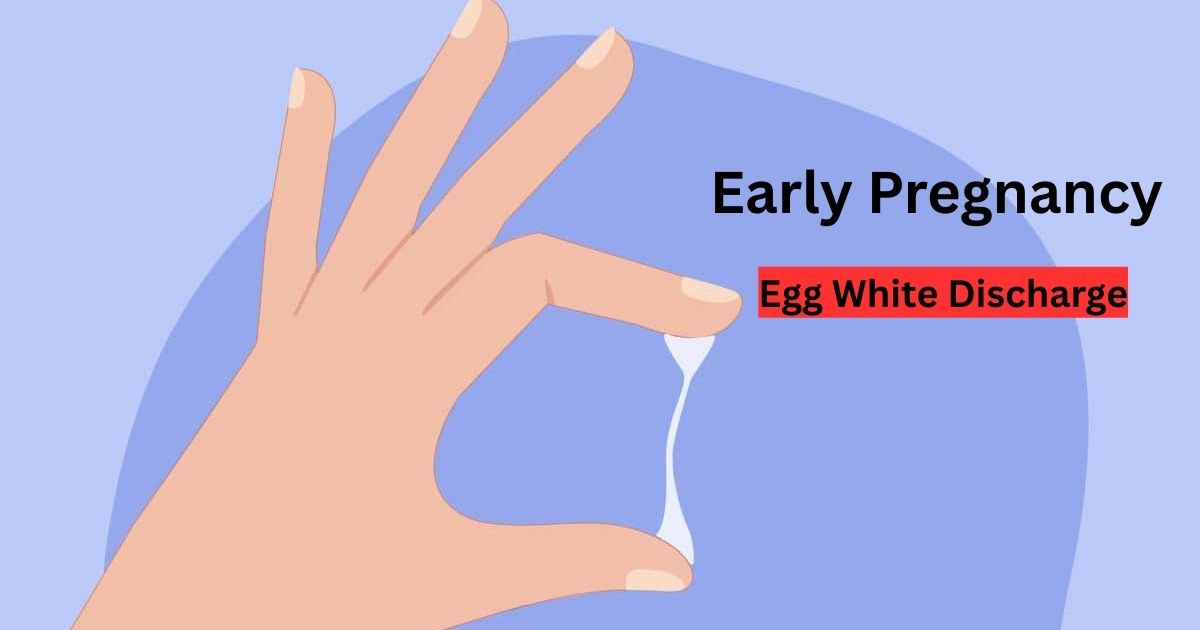
Some women notice a slight increase in vaginal discharge after conception. It’s usually clear or milky white, odourless, and has a consistency similar to raw egg whites. This change is caused by increased blood flow to the vaginal area and a shift in hormone levels both of which are completely normal in early conception process stages.
Increased Basal Body Temperature
After ovulation and fertilisation, your basal body temperature (BBT) typically rises by about 0.5 to 1.0°F and stays elevated. If you’ve been tracking your BBT as part of trying to conceive, a sustained high temperature beyond two weeks after ovulation can be an encouraging early signal worth noting.
Fatigue
Feeling unusually tired? Blame progesterone. This hormone spikes sharply in early pregnancy and can leave you feeling drained even without much physical activity. It’s not just sleepiness it’s a deep, heavy fatigue that can catch you off guard. Your body is using a lot of energy, even if it doesn’t look like it from the outside.
Mood Swings
Hormonal changes pregnancy brings in the very early stages can affect your emotional state. You might feel irritable, teary, or inexplicably emotional similar to PMS mood swings. This is one of the reasons so many women find it hard to distinguish between early pregnancy signs and the arrival of their period.
Is Spotting Normal in the First 72 Hours?
Spotting in the first 72 hours is uncommon but not unheard of. Some women notice very light pink or brown discharge, which can occur as the embryo begins interacting with the reproductive tract. However, true implantation bleeding typically happens later around days 6 to 12 after fertilisation. Any heavy bleeding in this early window should be discussed with a doctor.
Recognizing the Earliest Pregnancy Signs
The key to recognising signs before a missed period is body awareness. Subtle cues like increased discharge after conception, a slightly elevated body temperature, or unexplained fatigue may all point toward early conception. That said, none of these symptoms alone confirm pregnancy. They’re clues, not conclusions and patience is genuinely your best tool right now.
What Happens After the First 72 Hours (Days 3–10+)?
Once the first three days pass, the embryo enters a new developmental phase. The journey to implantation begins in earnest, and your body starts producing the hormones that will eventually make a pregnancy test turn positive. This is where things start getting really interesting.
The biological activity during days 3 to 10 is some of the most important of the entire pregnancy. Every step from blastocyst formation to implantation needs to happen correctly for the pregnancy to continue and thrive.
Blastocyst Development
Around days 3 to 6 after fertilisation, the morula arrives in the uterus and continues dividing. It transforms into a blastocyst a hollow ball of cells with two distinct layers. The outer layer will eventually become the placenta and the inner cell mass will develop into the fetus. It’s a critical turning point in early pregnancy changes in body.
Implantation
Between days 6 and 12 after fertilisation, the blastocyst burrows into the uterine lining a process called implantation. Both layers of the blastocyst need to attach to the endometrium for a healthy pregnancy to develop. Once implanted, the outer layer begins supplying nutrients and oxygen to the growing embryo. This is when pregnancy truly takes root.
Hormonal Rise
After successful blastocyst implantation, your body begins producing hCG the pregnancy hormone. This signals the ovaries to keep producing progesterone and estrogen, which maintain the uterine lining and prevent menstruation. How early hCG hormone starts rising depends on when implantation occurs, but this is what home pregnancy tests and blood tests detect to confirm conception.
Symptoms in the Later Weeks After Conception
As the weeks progress, symptoms become more pronounced and harder to ignore. The 72 hours of pregnancy symptoms may have been easy to miss, but by weeks 4 to 6, your body is sending clearer signals. These symptoms are caused by rising hormone levels and the physical demands of supporting a growing embryo.
Every woman’s experience is different. Some feel everything intensely from very early on, while others sail through with minimal symptoms. Both are completely normal your pregnancy isn’t less real because you feel fine.
Implantation Bleeding
As the blastocyst burrows into the uterine lining, it can disturb the sensitive tissue and cause light spotting. This is known as implantation bleeding and is often mistaken for a very light period. It’s usually pale pink or brown, lasts just a day or two, and is much lighter than a normal period flow.
Missed Period
A missed period is typically the clearest and most reliable early sign of pregnancy. If your cycle is regular and your period doesn’t arrive as expected, it’s a strong indicator that conception may have occurred. This is usually when most women take a home pregnancy test for the first time.
Nausea or Food Aversions
Nausea with or without vomiting is one of the most common first trimester symptoms. It’s often called “morning sickness,” but it can strike at any time of day. Food aversions can also develop, where previously enjoyed foods suddenly smell or taste unbearable. Both are driven by rising hCG and estrogen levels.
Tender Breasts
Breast tenderness or swelling is another hallmark early pregnancy symptom. Your milk ducts and glands begin growing in response to rising estrogen and progesterone levels, causing soreness, heaviness, or hypersensitivity. Even light contact can feel uncomfortable for some women during this stage.
Frequent Urination
Your kidneys start working harder during pregnancy to process increased blood volume, which means more trips to the bathroom. Hormonal changes pregnancy brings can also affect bladder sensitivity. If you find yourself waking up at night to use the loo more than usual, it could be an early clue.
Bloating
Hormonal shifts in early pregnancy slow down the digestive system. This can lead to bloating, gas, and constipation that feels very similar to what you’d experience before a period. It’s uncomfortable but normal your digestive tract is adjusting to a new hormonal environment.
When to Confirm the Pregnancy?
Most home pregnancy tests aren’t reliable until after a missed period, since they detect hCG levels that take time to build up after implantation. Testing too early often gives a false negative not because you’re not pregnant, but because hCG hasn’t risen enough yet.
If you want to test earlier, a clinical blood test can detect pregnancy around 11 to 14 days after fertilisation even before your missed period. For confirmation with more detail, a healthcare provider may use an ultrasound between 6 and 12 weeks to detect the pregnancy and assess early fetal development.
When Is the Right Time to Consult a Doctor?
Not every symptom needs a doctor visit, but some do. If you experience heavy bleeding, severe cramping, persistent dizziness, or sharp pain in the abdomen, don’t wait contact a healthcare provider promptly. These can sometimes indicate complications that need early attention.
Also, if you’re trying to conceive and have concerns about your symptoms or lack of them a doctor’s input can offer both clarity and peace of mind. Early guidance from a medical professional is always a smart step, especially if you have underlying health conditions or a history of pregnancy complications.
Expert Early Pregnancy Care at Cloudnine

At Cloudnine, we understand that the early days of pregnancy can feel equal parts exciting and overwhelming. Whether you’re experiencing the first 72 hours of pregnancy symptoms or navigating the weeks that follow, our team of experienced gynaecologists is here to guide you every step of the way.
From confirming conception through accurate diagnostic testing to offering personalised care plans for early pregnancy, Cloudnine provides comprehensive reproductive health support with both clinical expertise and compassionate care. You don’t have to figure this out alone we’re here to help you feel informed, supported, and confident from day one.
Conclusion
The 72 hours of pregnancy symptoms are subtle, easy to miss, and often indistinguishable from typical PMS. But behind the scenes, your body is doing something extraordinary fertilising an egg, dividing cells, and beginning the long journey toward implantation. Even if you feel nothing at all, something incredible may already be underway.
The best approach during this early window is awareness without anxiety. Track your symptoms, note any changes, and wait until after a missed period for the most reliable test results. And when in doubt, a conversation with a healthcare professional is always worth it. Your body is speaking learning to listen is the first step.

Daniel Morgan is a health writer and wellness researcher dedicated to making evidence-based health information simple, practical, and actionable. With over six in health education and research, he specializes in translating complex medical topics into clear guidance readers can trust.